
Wall Insulation
Wall insulation for the half of Portland with empty walls
Most homes built before the late 1970s have nothing in the walls. Dense pack cellulose fills them without tearing out the drywall.
Drill and fill
Small holes, big difference, patched the same day
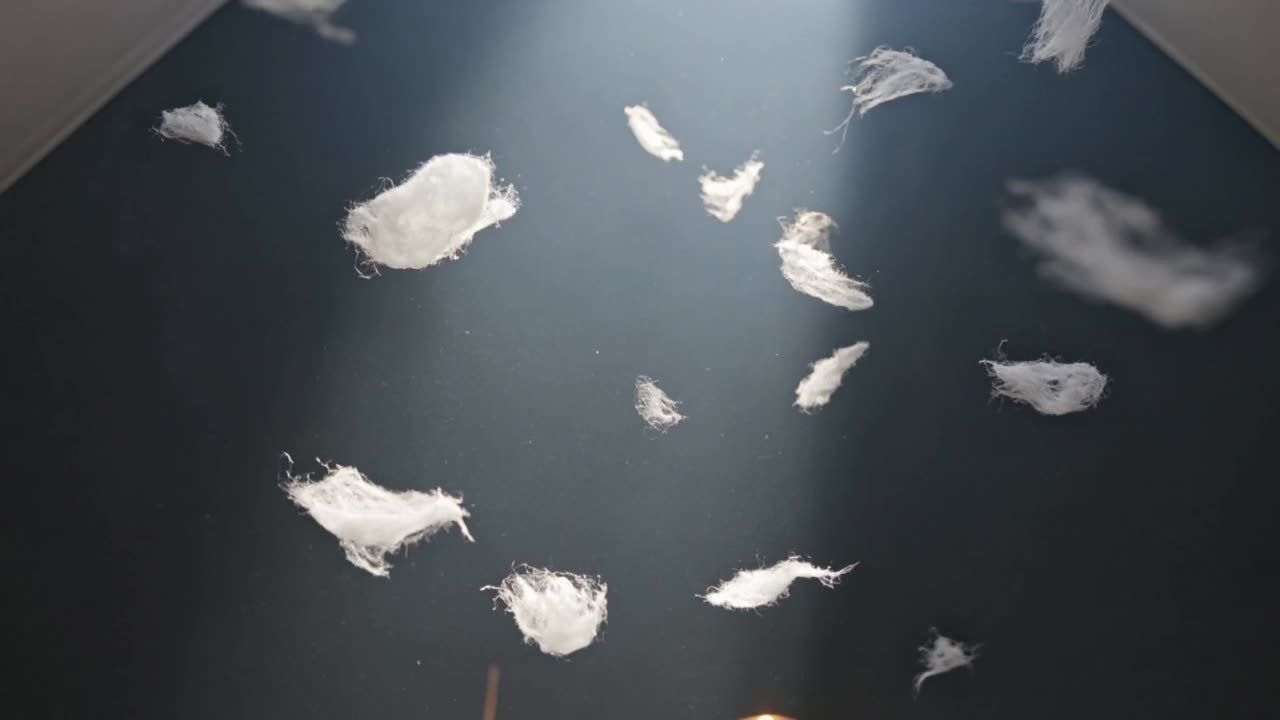
We drill a hole in each stud bay, run a fill tube to the bottom, and pack cellulose to a density that will not settle. From outside we go through the siding and plug it. From inside we go through the drywall and patch it ready for paint. A 1940s bungalow with empty walls typically loses a quarter of its heat through them, and it is the difference between a room you use and a room you avoid in winter.
Get a price
Get a written wall insulation price
Give us the address and a phone number. We will call to set up the inspection.
From the field
What it looks like when we do it


How it works
Four steps from call to warm
Call or send the form
Tell us the city, the age of the house and what you have noticed. We will tell you on the phone whether it is worth a visit.
We measure, not guess
We get in the attic or crawl space, check the depth, the air leaks, the venting and the wiring, and photograph it for you.
One written price
Square footage, R-value, materials, air sealing and the rebate you qualify for, all on one page. Good for 30 days.
Install and clean up
Most attics are done in a day. We lay drop cloths, blow it in, bring you up to see the depth markers, and leave the house cleaner than we found it.
How do you know the walls are empty?
We check with a thermal camera and by pulling an outlet cover. On a cold morning an empty wall shows up in seconds.
Will it damage the siding?
We drill under lap siding where the plug is hidden, or through the sheathing behind a removed course. Stucco and brick take a different approach. You will see the plan before we start.
What does the rebate pay?
Energy Trust pays $1.50 per square foot for owner occupied homes and $2.25 for rentals when walls go from R-4 or less to R-11 or better.
Is spray foam better in walls?
For an existing closed wall, no. You cannot see where foam goes. Dense pack cellulose is the proven retrofit method.
Related
Other services
Attic Insulation
Blown in cellulose or fiberglass to R-49 and up, with the air sealing that makes it work.
Learn moreBlown In Insulation
Dense, even coverage in attics, walls and hard to reach spaces. Done in a day.
Learn moreCrawl Space Insulation
Floor insulation, vapor barrier and rim joist sealing for the wet Willamette Valley.
Learn moreSpray Foam Insulation
Closed and open cell foam for rim joists, vaulted ceilings, shops and additions.
Learn more
Request a quote
Get a straight answer on your attic.
Tell us about the house and we will come out, measure, and give you one written price. Rebates included, no surprises on install day.